Journal

How to Publish Faster in a Q1 Journal

How to Publish Faster in a Q1 Journal

Publishing in a Q1 journal is rarely a fast process in the ordinary sense. These journals typically receive more technically competent manuscripts than they can publish, which allows editors to reject papers not only for methodological weaknesses but also for insufficient novelty, limited disciplinary relevance, poor journal fit, weak presentation, or an unclear contribution. A […]

How to Publish Faster in a Q1 Journal Read More »

Best Tips for Writing a Master

Best Tips for Writing a Master’s Thesis

A master’s thesis is not simply an extended academic assignment. It is a structured demonstration that the researcher can define a meaningful problem, engage critically with existing knowledge, select and justify an appropriate methodology, analyse evidence systematically, and communicate conclusions with intellectual discipline. The standard expected from a thesis is therefore different from that expected

Best Tips for Writing a Master’s Thesis Read More »

Top 10 Tips to Publish Conference Papers

Top 10 Tips to Publish Conference Papers in Engineering

Publishing a conference paper is one of the most effective ways for engineering researchers to communicate emerging results, receive technical feedback, establish collaborations, and build a visible research profile. In rapidly developing fields such as artificial intelligence, communications engineering, robotics, photonics, semiconductor devices, power electronics, and computational engineering, conference proceedings often capture important advances before

Top 10 Tips to Publish Conference Papers in Engineering Read More »

Q1 Research Article Writing Tip

Q1 Research Article Writing Tips

Publishing a research article in a first-quartile journal requires more than technically correct work and grammatically competent writing. A Q1 journal typically occupies the top 25 percent of journals within a defined subject category under a particular ranking system and evaluation year. Because quartile classifications depend on databases, disciplines, and annual citation data, the designation

Q1 Research Article Writing Tips Read More »

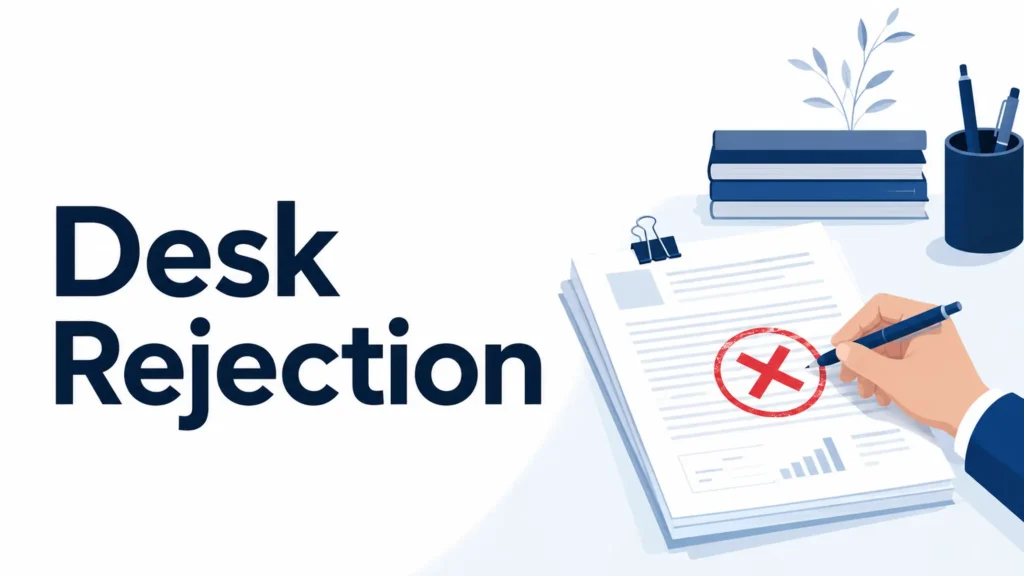
Prevent Desk Rejection in Q1 Journals

How to Prevent Desk Rejection in Q1 Journals: Top Tips

Publishing in a Q1 journal requires more than technically correct research. A manuscript must also demonstrate immediate relevance to the journal, a defensible contribution to the field, methodological credibility, and a level of presentation that allows an editor to evaluate its importance without reconstructing the argument on the authors’ behalf. Desk rejection occurs when an

How to Prevent Desk Rejection in Q1 Journals: Top Tips Read More »

Structural Reasons Journals Reject

Structural Reasons Journals Reject Technically Sound Research

Structural Reasons Journals Reject Technically Sound Research Even when the underlying idea is strong, rejection often stems from structural misalignment rather than intellectual weakness. Journals evaluate manuscripts as complete scholarly artifacts, not as collections of interesting results. Problems arise when the narrative arc fails to connect the research question, methodology, and conclusions in a logically

Structural Reasons Journals Reject Technically Sound Research Read More »